

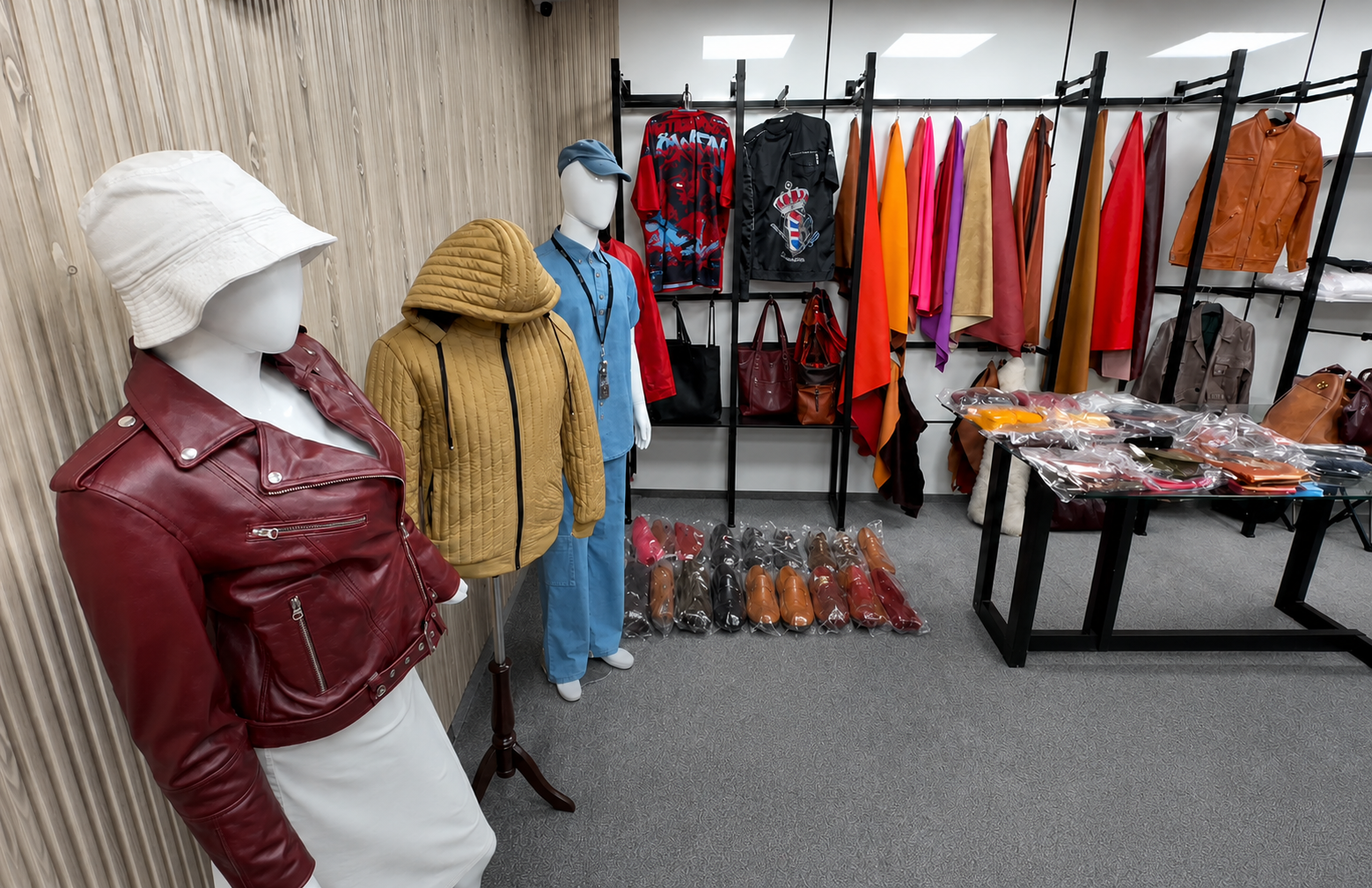
How to Choose the Right Custom Apparel Manufacturer for Your Brand
Choosing the right custom apparel manufacturer is one of the most important decisions a clothing brand, sports team, retailer or wholesale buyer will make. The manufacturer you select directly affects your product quality, fit, production consistency, delivery schedule and customer satisfaction.
A reliable manufacturing partner should do more than sew garments. They should understand your product requirements, help develop accurate samples, source suitable materials, apply the correct customization methods and maintain consistent quality throughout bulk production.
This guide explains what to evaluate before selecting a custom apparel manufacturer and what information you should prepare before requesting a quotation.
1. Define What You Want to Manufacture
Before contacting a manufacturer, create a clear outline of the product you want to develop.
Your product brief should include:
-
Product type
-
Intended customer
-
Required fabric or material
-
Preferred colours
-
Size range
-
Fit and silhouette
-
Stitching requirements
-
Printing or embroidery details
-
Logo placements
-
Labels and packaging
-
Estimated order quantity
-
Required delivery destination
For example, requesting “custom sportswear” is too broad. A more useful request would specify a polyester basketball jersey and shorts set with embroidered logos, player names, numbers, custom colours and private neck labels.
The more accurate your product brief is, the more accurately a manufacturer can assess feasibility, sampling requirements, pricing and production time.
2. Choose a Manufacturer With Relevant Product Experience
Not every clothing manufacturer produces every type of garment.
A factory experienced in basic T-shirts may not have the machinery, pattern knowledge or material expertise required for leather products, technical workwear, sports uniforms or structured formalwear.
Review whether the manufacturer already works with products similar to yours.
Relevant manufacturing categories may include:
-
Custom sportswear and team uniforms
-
Workwear and professional uniforms
-
Denim garments
-
Leather apparel and accessories
-
Sleepwear and robes
-
Wedding and prom dresses
-
Casualwear and fashion apparel
-
Private-label clothing collections
A manufacturer with relevant category experience is more likely to understand the correct fabric, construction, reinforcement, sizing and finishing requirements for your product.
3. Ask About Product Development and Sampling
Sampling is a critical stage of custom apparel manufacturing.
A production sample allows you to evaluate the design before committing to a bulk order. It helps identify problems involving fit, dimensions, material, colour, stitching, logo placement and garment construction.
A professional sampling process may include:
-
Reviewing the product brief or reference images
-
Creating or adjusting the pattern
-
Selecting the fabric and trims
-
Producing the first sample
-
Reviewing measurements and construction
-
Making required corrections
-
Approving the final sample for bulk production
Do not approve production based only on a digital mockup when the garment’s fit, construction or material performance is important.
Digital mockups are useful for confirming colours, artwork and placements, but a physical sample provides a more accurate representation of the finished garment.
4. Understand the Manufacturer’s MOQ
MOQ means minimum order quantity. It is the smallest quantity a manufacturer is prepared to produce for a specific product, design or colour.
MOQ can depend on several factors:
-
Product complexity
-
Fabric availability
-
Custom-dyed materials
-
Printing or embroidery setup
-
Pattern development
-
Number of colours
-
Number of sizes
-
Custom labels and packaging
-
Production-line requirements
A lower MOQ may be suitable for startups, small brands, sample orders and market testing. A higher MOQ may offer better unit pricing because setup and development costs are distributed across more garments.
Before placing an order, confirm whether the MOQ applies:
-
Per design
-
Per colour
-
Per size
-
Per product
-
Per total order
Do not assume that different colours, fabrics or logo designs can automatically be combined into one minimum quantity.
5. Evaluate Fabric and Material Options
Fabric selection affects the appearance, comfort, durability, weight, stretch, drape and performance of a garment.
Your manufacturer should be able to explain which materials are suitable for your intended product and use.
Important fabric considerations include:
-
Fibre composition
-
Fabric weight
-
Stretch
-
Breathability
-
Moisture management
-
Durability
-
Shrinkage
-
Colourfastness
-
Surface texture
-
Seasonal suitability
-
Care requirements
For sportswear, buyers may require breathable polyester, mesh panels or moisture-wicking materials.
For workwear, durability, reinforcement and ease of movement may be more important.
For denim products, buyers should evaluate fabric weight, wash, stretch percentage, stitching and colour consistency.
For leather products, the type of leather, thickness, grain, finish, hardware and lining must be clearly defined.
Always request material details before approving a sample or bulk order.
6. Compare Customization Methods
Different branding methods produce different results. The correct option depends on the fabric, artwork, order quantity, intended use and desired appearance.
Sublimation
Sublimation is commonly used for polyester sportswear. It allows detailed, full-colour designs to become part of the fabric rather than sitting on its surface.
It is suitable for:
-
Team jerseys
-
Sports uniforms
-
Training apparel
-
All-over printed designs
-
Names, numbers and sponsor graphics
Embroidery
Embroidery creates a raised, stitched finish and is often selected for logos, badges, names and professional branding.
It is suitable for:
-
Polo shirts
-
Jackets
-
Workwear
-
Caps
-
Uniforms
-
Premium logo applications
Screen Printing
Screen printing is commonly used for bold designs and larger production quantities.
It is suitable for:
-
T-shirts
-
Hoodies
-
Promotional clothing
-
Simple logos
-
Large graphic placements
Heat Transfer
Heat-transfer methods may be used for names, numbers, small production runs and certain detailed graphics.
Before approving a decoration method, confirm:
-
Artwork dimensions
-
Exact placement
-
Colour references
-
Fabric compatibility
-
Wash durability
-
Surface finish
-
Sample appearance
7. Review Construction and Stitching Quality
A garment can look attractive in photographs while still having weak construction.
Examine the details that affect long-term performance:
-
Seam strength
-
Stitch consistency
-
Reinforced stress points
-
Hem finish
-
Zipper installation
-
Button and snap attachment
-
Pocket construction
-
Lining placement
-
Panel alignment
-
Logo positioning
-
Loose threads
-
Measurement accuracy
Sportswear should allow movement without placing excessive tension on seams.
Workwear may require reinforced stitching in high-stress areas.
Denim and leather products require suitable machines, needles and thread to maintain clean, durable construction.
Ask the manufacturer how the garment will be inspected before dispatch.
8. Confirm Sizing and Measurement Requirements
Sizing is one of the most common causes of manufacturing disputes and customer returns.
Do not rely only on labels such as small, medium or large. Confirm the actual garment measurements for every size.
A size chart may include:
-
Chest or bust
-
Waist
-
Hip
-
Shoulder width
-
Sleeve length
-
Garment length
-
Inseam
-
Thigh
-
Hem width
-
Rise
For custom-fit garments, the manufacturer may also require individual body measurements.
Clarify whether the measurements provided are:
-
Body measurements
-
Finished garment measurements
-
Flat-lay measurements
-
Measurements including ease
The approved sample and size chart should become the reference for bulk production.
9. Check Private-Labelling and Packaging Options
Private labelling allows clothing brands to sell products under their own identity.
Depending on the product and quantity, customization options may include:
-
Woven brand labels
-
Printed neck labels
-
Size labels
-
Care labels
-
Hang tags
-
Branded packaging
-
Custom poly bags
-
Product stickers
-
Barcode labels
-
Carton markings
Confirm the label material, dimensions, artwork, placement and text before production.
Care labels should accurately reflect the garment’s material and recommended washing instructions.
Packaging requirements should also be agreed upon before bulk production to avoid unexpected costs or delays.
10. Assess Communication and Responsiveness
Strong communication is essential in custom manufacturing.
A reliable manufacturer should provide clear answers about:
-
Product feasibility
-
Required information
-
Sampling
-
Materials
-
MOQ
-
Customization
-
Pricing
-
Production stages
-
Quality control
-
Packaging
-
Shipping
Be cautious when a supplier provides unclear answers, avoids technical questions or agrees to every request without reviewing whether it is practical.
Good communication should continue after the order is placed. Changes, approvals and production decisions should be documented to reduce misunderstandings.
Keep important details in writing, including measurements, colours, artwork, materials, quantities and approved changes.
11. Request Clear and Complete Pricing
The lowest quotation is not always the best manufacturing option.
A very low price may exclude important costs or reflect compromises in fabric, construction, finishing or quality control.
Ask what the quotation includes.
Possible cost components include:
-
Pattern development
-
Sample production
-
Fabric
-
Trims
-
Printing
-
Embroidery
-
Labels
-
Packaging
-
Bulk production
-
Quality inspection
-
Shipping
When comparing quotations, make sure each manufacturer is quoting the same specifications.
A quotation for a basic garment cannot be accurately compared with one that includes premium fabric, custom labels, embroidery and individual packaging.
12. Understand Production and Delivery Timelines
Custom apparel production involves more than sewing.
The complete timeline may include:
-
Requirement review
-
Artwork preparation
-
Pattern development
-
Material sourcing
-
Sample production
-
Sample shipping
-
Corrections
-
Final approval
-
Bulk material preparation
-
Manufacturing
-
Quality control
-
Packing
-
International shipping
Production should begin only after the important details have been approved.
Inform the manufacturer of any fixed event, launch or retail deadline at the beginning of the discussion. This allows the supplier to determine whether the requested schedule is achievable.
Allow additional time for sample revisions, custom materials and international shipping.
13. Look for a Long-Term Manufacturing Partner
A strong manufacturer should be able to support more than one transaction.
As your business grows, you may require:
-
Additional product categories
-
New colours and designs
-
Repeat orders
-
Expanded size ranges
-
Improved packaging
-
Custom fabric development
-
Larger production quantities
-
Consistent branding across collections
Working with one reliable manufacturing partner can make future product development more efficient because patterns, measurements, materials and previous approvals may already be documented.
Consistency is particularly important for brands that need repeat orders to match earlier production.
Warning Signs to Avoid
Be cautious when a manufacturer:
-
Provides a quotation without reviewing your specifications
-
Cannot explain the fabric or construction
-
Refuses to produce a sample
-
Uses unclear or incomplete measurements
-
Avoids documenting approvals
-
Changes materials without permission
-
Promises unrealistic production times
-
Cannot explain quality-control procedures
-
Adds unapproved costs after production begins
-
Produces bulk goods before final approval
A professional manufacturer should be transparent about limitations, requirements and costs.
Information to Prepare Before Requesting a Quote
Prepare the following details to receive a more accurate manufacturing quotation:
-
Product name
-
Product reference images or technical drawings
-
Required quantity
-
Size breakdown
-
Fabric or material preference
-
Colours
-
Logos and artwork
-
Printing or embroidery requirements
-
Labels
-
Packaging
-
Delivery country
-
Required completion date
-
Sample requirements
For complex products, a technical pack can significantly reduce misunderstandings.
Why Work With Apparels Bridge?
Apparels Bridge supports brands, retailers, teams and businesses seeking custom apparel development and bulk manufacturing.
Our manufacturing categories include custom sportswear, workwear, denim products, leather products, sleepwear, uniforms and selected fashion apparel.
Depending on the product requirements, customization may include:
-
Custom colours
-
Fabric selection
-
Printing
-
Embroidery
-
Names and numbers
-
Logo placement
-
Private labels
-
Size development
-
Packaging
-
Product sampling
Each project should begin with a clear review of the design, quantity, material, measurements and customization requirements.
Frequently Asked Questions
What is a custom apparel manufacturer?
A custom apparel manufacturer produces garments according to a buyer’s specific design, fabric, colour, measurement, branding and packaging requirements.
Should I order a sample before bulk production?
Yes. A physical sample allows you to review the fit, construction, fabric, stitching, colours and branding before approving the complete order.
What does MOQ mean in clothing manufacturing?
MOQ means minimum order quantity. It refers to the smallest quantity a manufacturer will produce for a particular product, colour or design.
Can a manufacturer add my brand label?
Private-label options may include woven labels, printed neck labels, care labels, size labels, hang tags and branded packaging, depending on the product and order requirements.
What should I send to receive a quotation?
Send the product type, reference images, quantity, size range, colours, fabric preference, artwork, customization details, packaging requirements and delivery country.
Which customization method should I choose?
The correct method depends on the product and fabric. Sublimation is commonly used for polyester sportswear, while embroidery is frequently selected for uniforms, jackets and premium logos.
Start Your Custom Apparel Project
Selecting the right apparel manufacturer requires careful evaluation of product experience, sampling, fabrics, customization, sizing, quality control, communication and production capabilities.
A clear product brief and properly approved sample can prevent many manufacturing problems before bulk production begins.
Planning a custom apparel collection, sports uniform, workwear range, denim product or private-label garment?
Share your product requirements with Apparels Bridge to request a quotation or schedule a video consultation.